

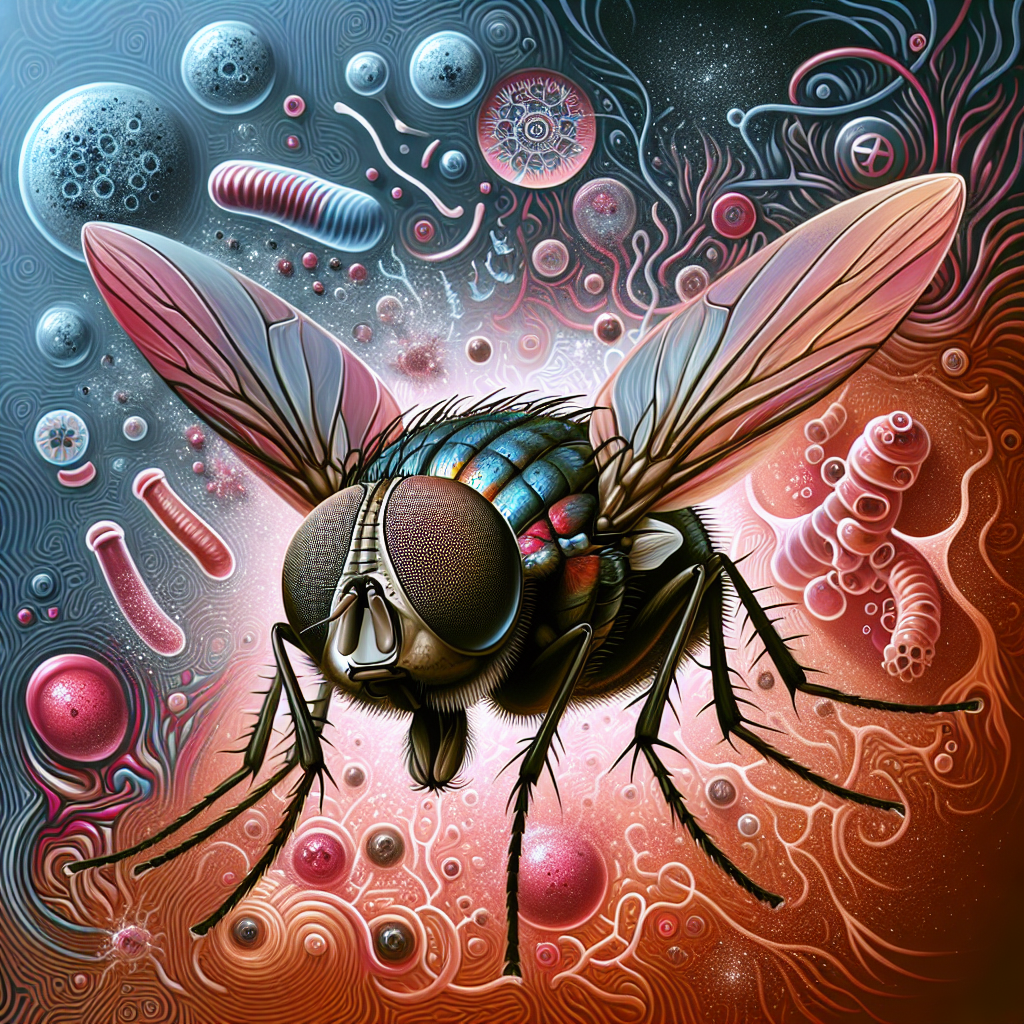
Did you know that flies carry two million types of bacteria and have the ability to spread germs efficiently? These tiny pests can cause serious health problems, including typhoid, dysentery, and tuberculosis. Flies collect and harbor faecal matter on their bodies and feet, which they then transfer onto surfaces and food, contaminating everything in their path. But don’t worry, if you’re facing a fly infestation in Sheffield or Rotherham, Peskys Pest Control is here to help. Our friendly team knows all about these winged nuisances and can provide effective solutions to ensure your home is fly-free. We’re all in this together, so let us assist you in keeping your space safe and healthy.
The Hazards of Flies: Spreading Disease and Bacteria

Introduction
Hey there! Did you know that flies can be more than just annoying pests? They actually pose serious health risks due to their ability to spread diseases and bacteria. In fact, scientists have discovered that flies can carry up to two million types of bacteria, making them a potential threat to public health. In this article, we will explore the different types of bacteria carried by flies, the health problems they can cause, the mechanisms of disease transmission, and the importance of pest control in preventing fly infestations.
Types of Bacteria Carried by Flies
Flies are known to carry a wide variety of bacteria, and the sheer quantity of bacteria they carry is staggering. With two million types of bacteria being transported by flies, it’s no wonder they are considered a major health hazard. These bacteria include pathogens such as Salmonella, E. coli, and Staphylococcus, which can cause serious illnesses in humans.
The spread of germs by flies is also a cause for concern. Flies have the ability to transfer bacteria from contaminated sources to human food and surfaces, creating opportunities for infections to occur. This is particularly alarming considering the health risks associated with the bacteria commonly carried by flies.

Health Problems Caused by Flies
Flies have been linked to the transmission of various diseases that can pose significant health risks to humans. Some of the most notable diseases include typhoid, dysentery, tuberculosis, and many others. These illnesses can range from mild to severe, and if not properly treated, they can even lead to death.
Typhoid fever, for example, is a serious infection caused by the Salmonella bacteria. Symptoms include high fever, abdominal pain, and diarrhea. Similarly, dysentery, which is caused by bacteria like Shigella or Entamoeba, can result in severe diarrhea, dehydration, and abdominal pain. Tuberculosis, another disease associated with flies, is a contagious airborne infection that primarily affects the lungs.
In addition to these well-known diseases, flies can also transmit other serious health issues, such as cholera, hepatitis, and even parasitic infections. Therefore, it is crucial to take measures to prevent fly infestations and minimize the risk of disease transmission.
Mechanisms of Disease Transmission
Flies have developed various mechanisms to facilitate the transmission of diseases. Their bodies are covered in fine sensory bristles, which allows them to pick up bacteria and other contaminants from their surroundings. These bristles can easily collect and harbor fecal matter, which can then be transferred to food and surfaces upon contact.
The sticky pads on a fly’s feet also play a role in disease transmission. As flies land on surfaces, they leave behind microscopic particles containing bacteria, creating a potential source of contamination. Moreover, flies have the ability to fly long distances, enabling them to travel from contaminated sources to new locations and spread germs further.
Another concerning aspect of fly behavior is their preferred diet. Flies are attracted to decaying organic matter, feces, and infected contaminated material. They are also not shy about landing on human food, making it prone to contamination. When flies feed, they regurgitate germs, enzymes, saliva, and digestive juices onto the food, and then suck it up again. This process can introduce harmful bacteria and pathogens to the food, putting anyone who consumes it at risk.
Preferred Diet of Flies
Understanding the preferred diet of flies is important in comprehending the potential dangers they pose. Flies are attracted to decaying organic matter, such as rotting fruits, vegetables, and animal carcasses. They also have a particular affinity for feces, which can serve as a breeding ground for bacteria and other pathogens. Moreover, flies are known to be attracted to infected contaminated material, further increasing the risk of disease transmission.
Perhaps most concerning is the fact that flies are not selective when it comes to their diet. They will happily land on human food, regardless of whether it is fresh or cooked. This means that even the cleanest and most carefully prepared meals are not safe from the risk of contamination by flies.
Contamination of Food and Surfaces
The contamination of food and surfaces by flies is a major concern for public health. Flies have a habit of depositing contaminated matter onto food and anything nearby when they land. This can take the form of bacteria-laden fecal matter or regurgitated fluids, which may contain harmful pathogens.
Furthermore, flies possess taste receptors on their feet, allowing them to taste and contaminate food simultaneously. As they walk across surfaces, they leave behind bacteria and other contaminants, which then come into contact with the food when the fly lands on it. This means that even a brief encounter with a contaminated surface can lead to the transfer of harmful bacteria to food, increasing the risk of illness.

How Flies Are Identified
Identifying fly species is crucial when it comes to implementing effective pest control measures. Different types of flies may require specific treatment methods, as some species are more resistant to certain pesticides or have unique behaviors. However, fly identification can be challenging, especially for those unfamiliar with entomology.
To accurately identify fly species, it is often necessary to seek professional assistance. Pest control experts have the knowledge and experience to identify flies based on their physical characteristics, behaviors, and habitat preferences. By correctly identifying the flies infesting your home or property, pest control professionals can implement the most appropriate and targeted solutions to eliminate the infestation.
Professional Pest Control for Fly Infestations
When faced with a fly infestation, seeking professional pest control services is often the best course of action. Pest control experts are equipped with the knowledge, tools, and experience to effectively deal with fly infestations and minimize the risk of disease transmission.
The role of pest control services in managing fly infestations is crucial. Pest control professionals will assess the severity of the infestation and determine the most suitable treatment methods. This may involve the use of insecticides, traps, or other control measures targeted at eliminating the flies and preventing their return.
In the case of cluster flies infesting lofts, for example, specialized equipment such as ULV machines may be used. These machines release a bug-fighting solution that fumigates the entire space, effectively eradicating the cluster flies and preventing further infestations. Professional pest control services ensure that the infestation is properly handled, reducing the risk of disease transmission and providing peace of mind.
Other Pest Control Services
While flies are a significant health hazard, they are not the only pests that can pose risks to public health. Pest control services offer a wide range of solutions for various types of pest infestations. From cockroaches and bed bugs to bees, fleas, ants, rats, mice, and wasps, pest control professionals are well-equipped to eliminate these nuisances and ensure a safe and healthy environment.
Moreover, pest control services often extend beyond the realm of insect and rodent control. Professionals can also provide solutions for dealing with other pests, such as squirrels, birds, and moles. Each of these pests presents unique challenges, and pest control experts have the expertise to address these issues effectively.
Importance of Pest Control for Public Health
The importance of pest control for public health cannot be overstated. By effectively managing and eliminating pests, such as flies, cockroaches, rodents, and other disease-carrying nuisances, pest control services play a vital role in protecting public health.
Pest control professionals are trained to identify and implement the most appropriate control measures to eliminate pests and mitigate the risks they pose. By proactively addressing pest infestations, communities can prevent the spread of diseases, reduce the risk of contamination, and create safer and healthier environments for everyone.
In conclusion, flies are not just pesky insects buzzing around; they are potential carriers of diseases and bacteria. Understanding the hazards posed by flies, their preferred diet, mechanisms of disease transmission, and the importance of professional pest control services is essential in safeguarding public health. By implementing adequate pest control measures and seeking professional assistance, we can prevent fly infestations and reduce the risks associated with these disease-spreading insects. Remember, we’re all in this together, so let’s work together to keep our homes and communities safe from the hazards of flies.
Recent Comments