

Are you dealing with an infestation of fleas in your home? Did you know that a single adult flea can lay up to 50 eggs per day, adding up to 2000 eggs in its lifespan? Contrary to popular belief, fleas do not lay their eggs on carpets and soft furnishings; they actually lay them on the host, which is usually your beloved pet. The eggs then fall off onto various surfaces where the host has been and hatch, causing a hidden infestation throughout your home. It’s not just treating your pet that’s important; you need to address the whole area to eliminate the problem completely. At Peskys Pest Control, we offer professional flea treatment services that include treating your pets, washing or replacing their bedding, and applying a residual insecticide that kills fleas and their eggs, ensuring long-lasting results. Contact us today to book our services and say goodbye to those pesky fleas!

Overview of Fleas
Fleas are small, wingless parasitic insects that feed on the blood of mammals and birds. They are commonly found in households and can be a major nuisance not only for pets but also for humans. Understanding the lifecycle, behavior, and hosts of fleas is essential for effective prevention and control.
Flea Lifecycle
The lifecycle of a flea consists of four stages: egg, larva, pupa, and adult. A single adult flea can lay up to 50 eggs per day, which adds up to 2000 eggs in its lifetime. These eggs are not laid directly on carpets or soft furnishings, as commonly believed, but on the host animal, such as your cat or dog. The eggs then fall off the host and hatch wherever the host has been, including carpets, furniture, and bedding.
Flea Behavior
Fleas have a remarkable ability to detect vibrations and carbon dioxide, which are signs of potential hosts nearby. They can jump up to 12 inches high and are not picky about whose blood they feed on. While the adult fleas live on the host, it is the eggs and larvae that mature in the environment, making it crucial to treat not just the pet but also the surrounding areas.
Hosts of Fleas
Fleas are known to infest a wide range of animals, including cats, dogs, rabbits, rodents, birds, and even humans. They can easily hitch a ride on these hosts and spread to different areas, leading to infestations. Therefore, it is important to be aware of the potential hosts and take appropriate measures to prevent and control flea infestations.
Identification and Detection
Identifying and detecting fleas early on is crucial in preventing a full-blown infestation in your home. Understanding their physical appearance, signs of infestation, and effective detection methods can help in taking timely action.
Physical Appearance
Fleas are small, dark reddish-brown insects that measure around 1/8 inch in length. They have flattened bodies, long hind legs for jumping, and mouthparts designed for piercing the skin and sucking blood. It can be challenging to spot fleas as they are adept at hiding in pet’s fur or bedding.
Signs of Infestation
There are several signs that can indicate a flea infestation in your home. These include:
- Pets scratching excessively: Fleas cause itching and irritation, leading to constant scratching in animals.
- Red and inflamed skin: Flea bites can cause redness, inflammation, and even secondary skin infections in pets.
- Flea dirt: Fleas leave small black or reddish-brown specks, known as flea dirt, in the fur or on bedding. This is actually flea feces containing digested blood.
- Allergic reactions in humans: Some individuals may develop allergic reactions to flea bites, resulting in itchy, red bumps on the skin.
Methods of Detection
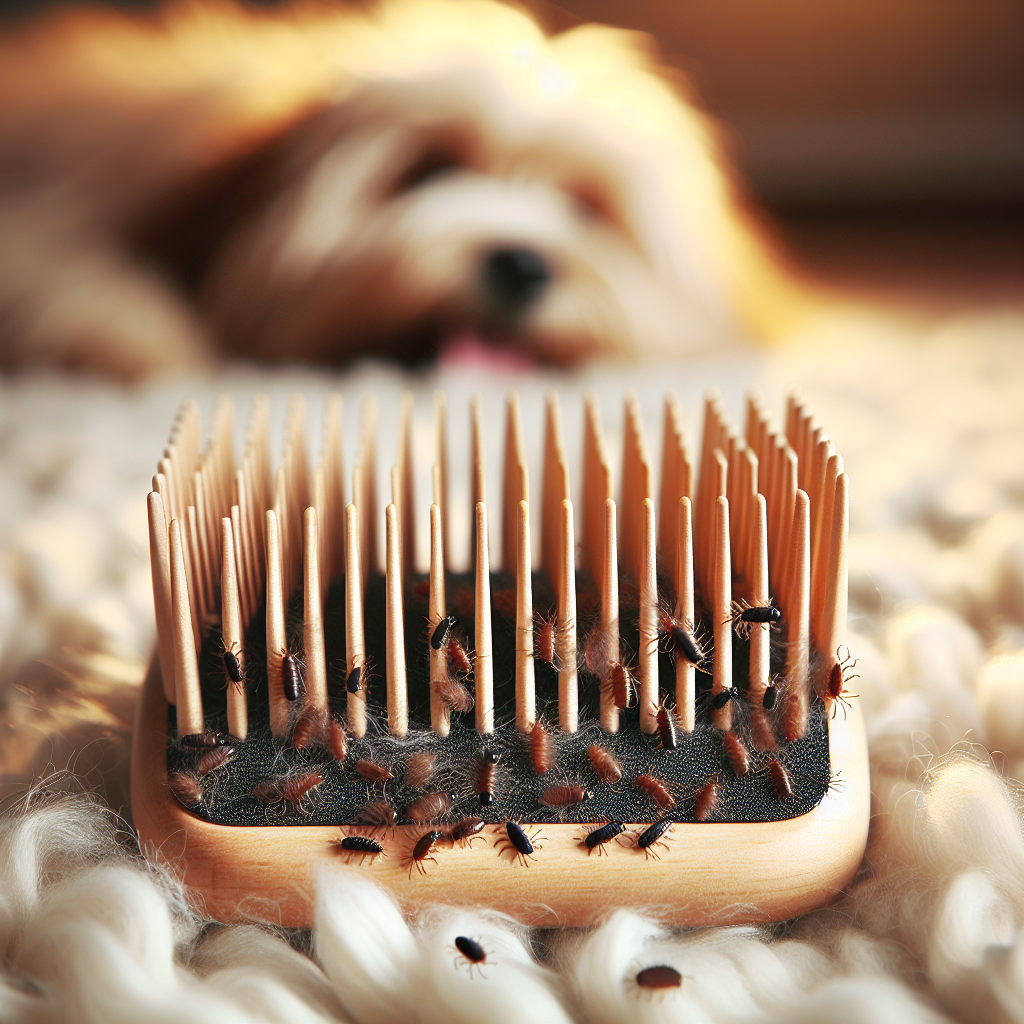
To detect fleas, comb your pet’s fur using a fine-toothed flea comb. Look for live adult fleas, eggs, flea dirt, and any signs of irritation or redness on the skin. You can also use white socks and walk around areas where your pet spends time, as fleas may jump onto the socks, making them easier to spot. Additionally, setting up sticky traps or using a flashlight in dark areas can help identify fleas.

Health Risks and Concerns
Flea infestations can pose significant health risks to both humans and animals. Understanding these risks is crucial to prevent any potential harm.
Allergic Reactions
Some individuals and pets may be allergic to the saliva of fleas, leading to allergic reactions. These reactions can cause severe itching, redness, swelling, and even secondary infections if excessive scratching occurs. Prompt treatment and prevention are necessary to avoid complications.
Disease Transmission
Fleas are known to transmit diseases to both animals and humans. These diseases can range from mild to severe and include tapeworms, cat scratch disease, murine typhus, and even the bubonic plague in rare cases. Preventing flea bites and eliminating infestations greatly reduces the risk of disease transmission.
Impact on Pets and Animals
Fleas can cause significant discomfort and distress to pets. Constant scratching and biting can lead to hair loss, hot spots, skin infections, and anemia in severe cases. Flea infestations can also be particularly dangerous for young or small animals, as they are more susceptible to the effects of blood loss and diseases transmitted by fleas.
Prevention and Control
Preventing and controlling flea infestations require a multi-faceted approach that includes regular treatment of pets, thorough cleaning and vacuuming, environmental treatments, and sometimes professional pest control assistance.
Regular Pet Treatments
Using flea preventatives and treatments for your pets is crucial in preventing infestations. Consult with your veterinarian to choose the appropriate flea control products for your pets, such as topical treatments, flea collars, or oral medications. Follow the recommended dosage and frequency to ensure maximum effectiveness.
Cleaning and Vacuuming
Regularly cleaning and vacuuming your home helps remove flea eggs, larvae, and pupae from the environment. Pay extra attention to areas where your pets spend time, such as their bedding, carpets, furniture, and upholstery. Dispose of the vacuum bag outside your home to prevent re-infestation.
Environmental Treatments
Using insecticides specifically designed for flea control can help eliminate fleas in the environment. Treat areas where your pets frequent, such as carpets, rugs, and pet bedding. Follow the instructions provided by the product manufacturer and take necessary precautions to protect yourself, your family, and your pets during the application process.
Professional Pest Control
In severe or persistent flea infestations, professional pest control services may be necessary. Experienced exterminators have access to specialized products and treatments that can effectively eliminate fleas from your home. They can assess the extent of the infestation, provide targeted treatments, and offer recommendations for long-term prevention.

Home Remedies and Natural Solutions
If you prefer more natural or homemade remedies for flea control, there are several options available. While these methods may not be as potent as commercial products, they can still provide some level of flea prevention.
Herbal Repellents
Certain herbs, such as rosemary, lavender, and mint, have natural flea-repellent properties. You can create herbal sprays by steeping these herbs in hot water, straining the liquid, and then using it as a spray on your pets and around your home. However, it’s important to note that herbal repellents may not be as effective as synthetic insecticides.
Essential Oils
Some essential oils, such as tea tree oil, lemon oil, and eucalyptus oil, have flea-repellent properties. Dilute a few drops of these oils in water or carrier oil, and apply them to your pet’s collar or bedding. However, be cautious when using essential oils around pets, as some oils can be toxic to certain animals. Consult with your veterinarian before using essential oils on your pets.
Diatomaceous Earth
Diatomaceous earth is a fine powder made from the fossilized remains of diatoms. It can be sprinkled in areas where fleas are likely to be present, such as carpets, furniture, and pet bedding. The microscopic particles of diatomaceous earth will puncture the exoskeleton of fleas, causing dehydration and death. However, only use food-grade diatomaceous earth, as other forms may be harmful to pets.
Common Mistakes in Flea Control
Ineffective flea control can lead to persistent infestations and frustration. Avoiding common mistakes ensures more successful treatment and prevention.
Using Ineffective Products
Not all flea control products are created equal. Using ineffective or outdated flea treatments can lead to poor results. Consult with your veterinarian or a pest control professional to choose products that are safe and effective for your specific situation.
Incomplete Treatment
Treating pets alone without addressing the surrounding environment is a common mistake. Fleas mainly reside in the environment, such as carpets and bedding, and treating only the pets will not eliminate the infestation. Be thorough and treat both pets and their living areas for maximum effectiveness.
Failure to Treat Pets’ Environment
Flea eggs, larvae, and pupae can remain dormant in the environment for extended periods. Failing to treat the environment can result in re-infestation even after treating the pets. Vacuuming, cleaning, and using appropriate insecticides are necessary to eliminate fleas from all areas where they may be hiding.
Tips for Treating Pets
Treating pets for fleas requires careful consideration of their specific needs and conditions. Here are some tips to help ensure effective flea treatment for your furry companions.
Choosing the Right Treatment
Consult with your veterinarian to determine the most appropriate flea treatment for your pets. Factors such as their species, age, health condition, and any potential interactions with other medications should be considered. Follow the instructions provided with the chosen product for correct application and dosage.
Bathing and Grooming
Regular grooming and bathing can help remove live fleas and eggs from your pet’s fur. Use a flea shampoo specifically formulated for pets, ensuring it is safe for their species and age. Thoroughly rinse the shampoo off, and consider using a flea comb to remove any remaining fleas and eggs.
Regular Check-ups
Schedule regular check-ups with your veterinarian to monitor your pet’s overall health and flea control effectiveness. They can assess any signs of flea infestations, recommend necessary treatments or preventatives, and provide guidance on long-term prevention strategies.
Myths and Misconceptions
There are several myths and misconceptions surrounding fleas that can lead to misunderstandings and ineffective control methods. Clarifying these misconceptions is essential for proper flea management.
Fleas Only Affect Cats and Dogs
While cats and dogs are commonly affected by fleas, these parasites can infest a wide range of animals, including rabbits, rodents, birds, and even humans. It is important to recognize that fleas can be a concern for any pet or individual.
Flea Infestations Only Occur in Dirty Homes
Fleas are not necessarily an indicator of poor hygiene or cleanliness. They can be brought into homes through various means, such as contact with infested animals or environments. Even the cleanest of homes can experience flea infestations.
Fleas Disappear in Winter
Contrary to popular belief, fleas can be active in winter. They can survive indoors in heated environments or seek shelter in warm spaces, such as garages or basements. Flea control is necessary year-round to prevent infestations.

Dealing with Fleas in Different Environments
Flea control strategies may vary depending on the environment in which infestations occur. Understanding how to tackle fleas in residential homes, apartment buildings, outdoor areas, and commercial properties is essential for effective management.
Residential Homes
In residential homes, treating both pets and the environment is crucial. Regular vacuuming, cleaning, and treatment of carpets, upholstery, and bedding are necessary. Establishing a comprehensive flea prevention routine, including regular pet treatments and environmental treatments, can help prevent infestations.
Apartment Buildings
Flea control in apartment buildings can be challenging due to the shared nature of the spaces. Cooperation among residents, regular pest control services, and addressing the underlying causes, such as infested pets, are important. Treating individual units, common areas, and proper sanitation practices can aid in flea control.
Outdoor Areas
Fleas can infest outdoor areas, especially if there are infested animals or wildlife nearby. Regularly mowing the lawn, removing debris, and maintaining a clean and tidy outdoor environment can help discourage fleas. Consider using outdoor flea control products, following the instructions carefully.
Commercial Properties
Commercial properties, such as offices, hotels, and restaurants, may also face flea infestations. Promptly addressing any signs of infestations, seeking professional pest control services, and implementing preventive measures, such as regular inspections and targeted treatments, are key to keeping commercial properties pest-free.
Professional Flea Extermination
While many flea control methods can be effective, sometimes calling a professional exterminator is necessary. Knowing when to seek professional help, what to expect from an exterminator, and understanding the associated costs and considerations is important.
When to Call a Professional
Persistent or severe flea infestations may require the expertise of a professional exterminator. If home remedies and over-the-counter products have not yielded satisfactory results, or if the infestation continues to worsen, it is advisable to seek professional assistance. Additionally, individuals with allergies, young children, or pets with health conditions may want to consult a professional for safe and effective flea control.
What to Expect from an Exterminator
A professional flea exterminator will conduct a thorough inspection of your home, identifying areas of infestation and potential sources. They will then customize a treatment plan tailored to your specific needs, using professional-grade insecticides and targeted techniques. The exterminator will provide instructions on preparation and any necessary precautions during and after the treatment.
Costs and Considerations
The cost of professional flea extermination can vary depending on the extent of the infestation, the size of the home or property, and any necessary follow-up treatments. It is important to obtain quotes from reputable pest control companies and inquire about any guarantees or warranties offered. Additionally, consider the long-term benefits and peace of mind that come with professional expertise and effective flea control.
In conclusion, fleas can be a nuisance and pose health risks to both pets and humans. Understanding the flea lifecycle, behavior, and potential hosts, as well as implementing proper prevention and control methods, is essential. Regular pet treatments, thorough cleaning and vacuuming, environmental treatments, and, when necessary, seeking professional pest control assistance can help eliminate flea infestations and create a flea-free environment for all.
Recent Comments