

If you’re living in Sheffield and have been dealing with the pesky problem of bed bugs, Peskys Pest Control is here to save the day. With their expert knowledge and effective methods, they have become the go-to solution for bed bug removal in the Sheffield area. In this article, we will take a closer look at the services offered by Peskys Pest Control and how they can help you get rid of these unwelcome guests in no time. So say goodbye to sleepless nights and hello to a bed bug-free home with Peskys Pest Control.
Understanding Bed Bugs
Bed bugs are small, nocturnal insects that feed on the blood of humans and animals. They are reddish-brown in color and have a flat, oval-shaped body. Adult bed bugs are about the size of an apple seed, while nymphs (young bed bugs) are much smaller. These pests can easily hide in cracks and crevices, making them difficult to spot.
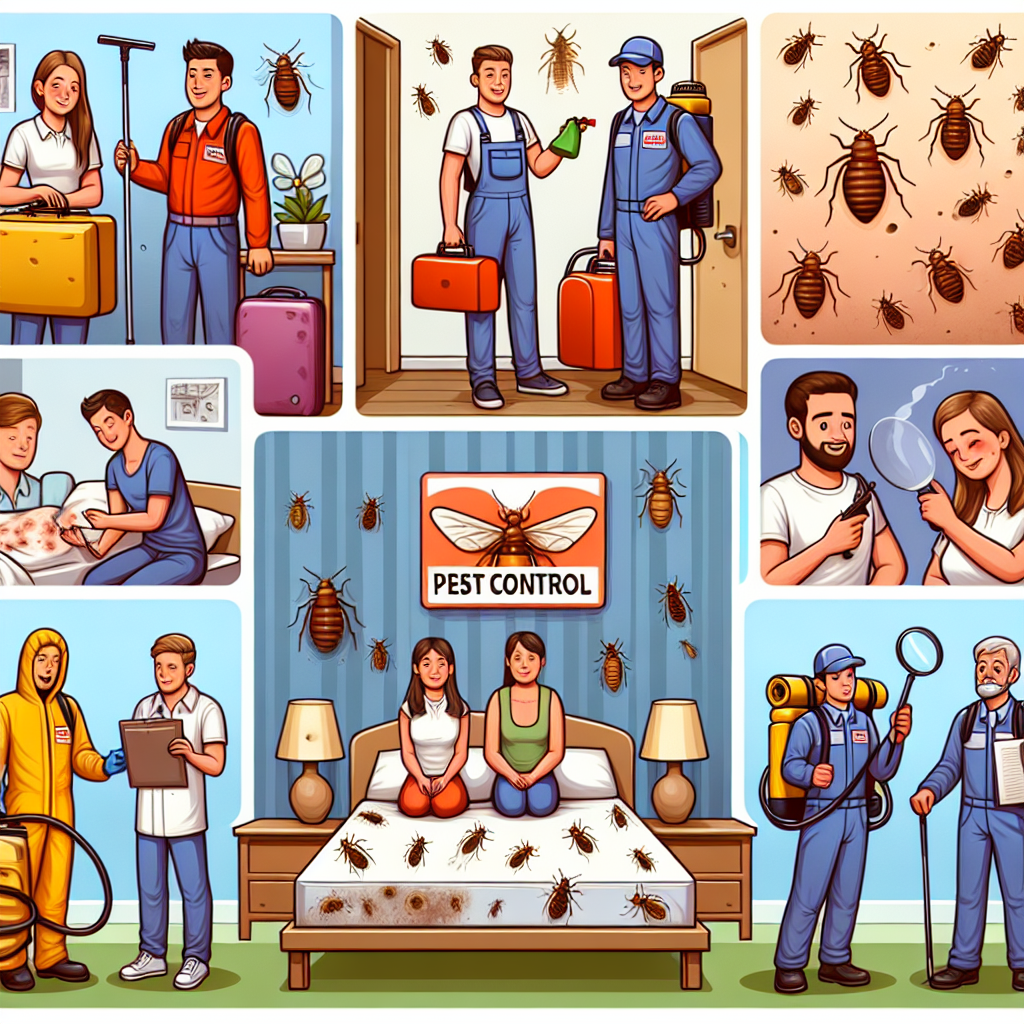
Physical Characteristics of Bed Bugs
Bed bugs have distinct physical characteristics that help identify them. Their bodies are flat and oval-shaped, which allows them to squeeze into tight spaces. They have six legs, antennae, and are wingless. The adults have a rusty-brown color, while the nymphs are lighter in color and can be translucent. Bed bugs also have a characteristic smell, often described as a sweet, musty odor.
Life Cycle of Bed Bugs
Understanding the life cycle of bed bugs is crucial for effective control and prevention. Bed bugs go through a process called simple metamorphosis, where they undergo three stages: egg, nymph, and adult. The female bed bug can lay around 200 to 500 eggs in her lifetime. These eggs are usually laid in cracks and crevices near the host’s sleeping area. The nymphs hatch from the eggs and go through several molts before reaching adulthood. The entire life cycle of a bed bug can take anywhere from 4 to 12 weeks, depending on temperature and feeding availability.
Signs of a Bed Bug Infestation
Detecting a bed bug infestation early is essential to prevent further spread and eliminate the problem. Here are some common signs of a bed bug infestation:
- Bites: Bed bug bites are usually itchy, red welts that appear in a line or cluster on exposed areas of the body.
- Bloodstains: After feeding, bed bugs may leave behind small bloodstains on bedding or furniture.
- Dark spots: Bed bug droppings can be found in the form of dark spots or smears on sheets, mattresses, and furniture.
- Eggshells and exoskeletons: As bed bugs go through their life cycle, they shed their exoskeletons, which can be found near their hiding spots.
- Musty odor: Bed bugs release a distinct, sweet, musty smell, especially in heavily infested areas.
If you suspect a bed bug infestation in your home, timely action is crucial to prevent further spread and potential health risks.
Prevention and Control
Preventing a bed bug infestation is easier than dealing with one that has already taken hold. By following some simple steps, you can minimize the risk of bed bugs infesting your home.

Tips for Preventing Bed Bug Infestations
- Regularly inspect your furniture, mattresses, and bedding for any signs of bed bugs.
- When traveling, inspect hotel rooms for signs of bed bugs before unpacking your belongings.
- Use protective covers on mattresses and box springs to prevent bed bugs from infesting them.
- Avoid picking up used furniture or mattresses from the curb without thorough inspection.
- Keep your home clean and clutter-free to reduce hiding places for bed bugs.
By implementing these preventative measures, you can significantly decrease the chances of a bed bug infestation in your home.
Frequent Inspections and Early Detection
Regular inspections are crucial to detect bed bugs early before they have a chance to multiply and spread. Be sure to inspect your mattress, bedding, furniture, and any cracks or crevices where bed bugs might hide. Look for signs such as bloodstains, dark spots, discarded exoskeletons, and an unpleasant odor. If you suspect an infestation, contact a professional pest control company for an inspection and treatment.
Professional Bed Bug Control Methods
While there are several do-it-yourself (DIY) methods available for bed bug control, professional pest control services are often the most effective solution. Trained technicians have the knowledge, experience, and tools necessary to eliminate bed bugs efficiently.
Professional bed bug control methods may include:
- Heat treatments: This method involves raising the temperature in the infested area to a level that eradicates all life stages of bed bugs.
- Chemical treatments: Pest control professionals may use insecticide treatments to target and eliminate bed bugs in all their life stages.
- Vacuuming and steam treatments: High-powered vacuums and steam treatments can be effective in removing bed bugs and their eggs from different surfaces.
- Fumigation: In severe infestations, fumigation may be necessary to treat the entire structure, including cracks and crevices where bed bugs hide.
Professional pest control services not only provide effective bed bug control but can also offer ongoing monitoring and prevention strategies to ensure long-term eradication.
DIY Bed Bug Treatments
If you prefer to tackle a bed bug infestation on your own, there are some DIY treatments available. However, it’s important to note that DIY methods may not be as effective as professional treatments, especially in severe infestations.
Natural Remedies for Bed Bug Control
Some natural remedies for bed bug control include:
- Diatomaceous earth: This substance, made from fossilized remains of aquatic organisms, can be sprinkled in infested areas to dehydrate and kill bed bugs.
- Essential oils: Certain essential oils, such as lavender, tea tree, and peppermint oil, have shown repellent properties against bed bugs when sprayed directly on infested areas.
- Steam cleaning: Using a high-temperature steam cleaner can be effective in killing bed bugs and their eggs on surfaces and fabrics.
While these natural remedies may have some impact on bed bug populations, they are not always 100% effective, especially in large or severe infestations.
Bed Bug Sprays and Powders
There are various bed bug sprays and powders available on the market that claim to kill or repel bed bugs. These products typically contain insecticides that disrupt the nervous system of bed bugs. When applying sprays or powders, ensure you read and follow the label instructions carefully. Keep in mind that these products may not be as effective as professional treatments, and repeated applications may be necessary.
Steam Treatments for Bed Bug Eradication
Using a steam cleaner is a popular DIY method for bed bug eradication. Steam treatments can effectively kill bed bugs and their eggs on surfaces and fabrics by exposing them to high temperatures. When using a steam cleaner, make sure to aim the steam nozzle directly at the bed bug-infested areas, such as mattress seams, furniture joints, and cracks in walls or floors. Steam treatments should be thorough and repeated regularly to ensure complete elimination.
While DIY treatments can be attempted, it’s important to understand that bed bugs are resilient pests, and professional help may be required for effective and long-lasting eradication.
Stay tuned for the next part!
Recent Comments