
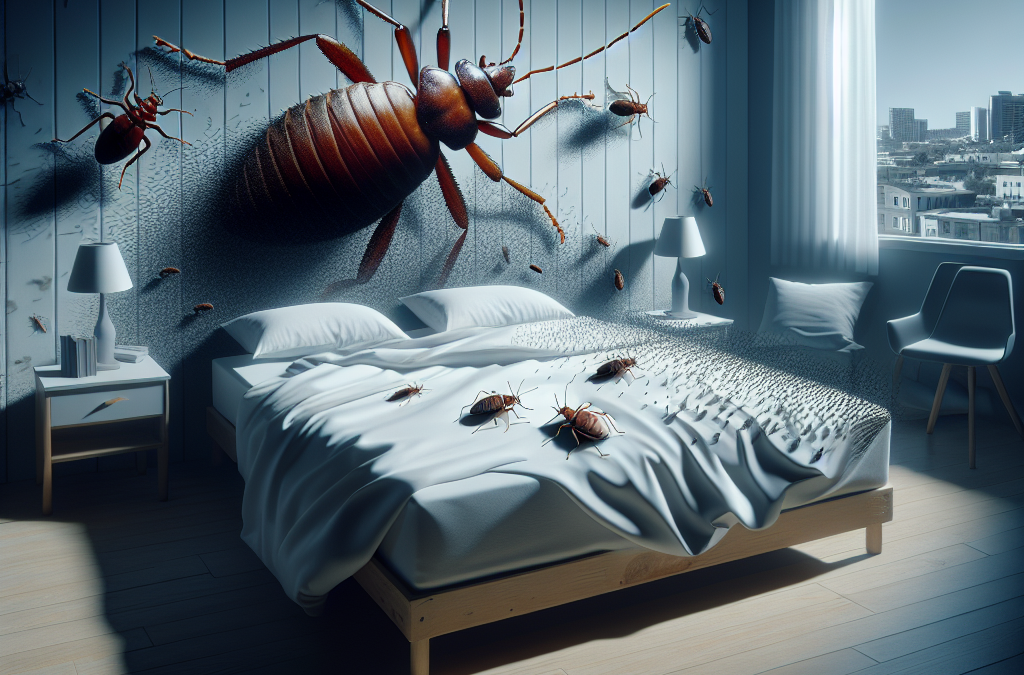
If you’re in Rotherham and battling with a bed bug infestation, Peskys Pest Control is here to help! Our dedicated team has extensive experience in bed bug removal and takes pride in providing top-notch pest control services. With our expert knowledge and effective methods, we’re committed to ensuring that your home becomes bed bug-free. In this article, you’ll find valuable insights and information on bed bug pest control in Rotherham, as well as tips for dealing with these pesky creatures. Say goodbye to sleepless nights and hello to a bug-free home with Peskys Pest Control!

Types of Bed Bugs
Common bed bugs
Common bed bugs (Cimex lectularius) are the most prevalent type of bed bugs found in homes and hotels across the world. These reddish-brown pests are approximately the size of an apple seed and can be easily seen by the naked eye. They are nocturnal creatures and feed on human blood, leaving behind itchy, red bites on their victims. Common bed bugs have a high reproductive rate and can quickly infest an entire area if left untreated.
Tropical bed bugs
Tropical bed bugs (Cimex hemipterus) are less common than their common counterparts and are mainly found in tropical and subtropical regions. They have similar physical characteristics to common bed bugs and feed on human blood. While they may not be as prevalent in places with cooler climates, it is still important to be aware of their existence and take necessary precautions if you are traveling to or residing in a tropical area.
Bat bugs
Bat bugs (Cimex adjunctus) are closely related to bed bugs and are primarily found in areas infested by bats. They resemble common bed bugs in appearance and behavior, making it challenging to differentiate between the two without professional assistance. Although bat bugs primarily feed on bats, they can also bite humans when the bat population is no longer available. Identifying and eliminating the source of the bat infestation is crucial in preventing bat bug infestations.
Identification of Bed Bugs
Physical characteristics
Bed bugs have distinct physical characteristics that make them easily recognizable. Adult bed bugs are usually about the size of an apple seed and have a flat, oval-shaped body. They are reddish-brown in color, but after feeding, their bodies become swollen and take on a darker reddish color. Bed bugs are wingless insects and have six legs and two antennae. Their bodies are covered in fine hairs, which give them a slightly fuzzy appearance.
Behavior and habits
Bed bugs are nocturnal pests, preferring to come out at night to feed on human blood. They are attracted to the carbon dioxide we exhale, as well as body heat and certain chemicals present on our skin. Bed bugs are skilled hitchhikers and can easily infest new areas by clinging onto luggage, clothing, or furniture. They hide in cracks and crevices during the day, making it challenging to detect their presence.
Signs of infestation
There are several signs that may indicate a bed bug infestation. The most obvious sign is the presence of multiple bites on your body, especially in a linear or clustered pattern. You may also notice small bloodstains on your bedsheets or dark spots on your mattress, which are bed bug excrement. Additionally, bed bug eggs or shed skins may be visible in infested areas. If you suspect a bed bug infestation, it is important to seek professional pest control assistance for a thorough inspection and treatment.
Impact of Bed Bugs
Health risks
While bed bugs are not known to transmit diseases, their bites can cause various health risks. Bed bug bites can lead to allergic reactions in some individuals, resulting in itching, redness, and swelling. Scratching the bites excessively can cause secondary skin infections. Prolonged exposure to bed bug infestations can also cause sleep deprivation, anxiety, and stress, which can have negative impacts on both physical and mental health.
Psychological effects
Bed bug infestations can have significant psychological effects on individuals. The fear and anxiety associated with the presence of these pests can lead to sleep disturbances, paranoia, and feelings of helplessness. The stigma surrounding bed bug infestations can also cause embarrassment and social isolation. Dealing with a bed bug infestation can be mentally draining, and seeking professional help is essential to restore peace of mind.
Economic impact
Bed bug infestations can have severe economic consequences. Infested homes and hotels may experience a decline in property value and reputation. The cost of treating a bed bug infestation can be substantial, involving professional pest control services, replacing infested mattresses and furniture, and implementing preventive measures. Additionally, individuals may incur expenses related to medical treatments for bites and the cost of replacing infested personal belongings.

Prevention and Awareness
Educating residents
Raising awareness and educating residents about bed bugs is crucial in preventing infestations. Public health agencies, landlords, and pest control professionals should provide information on bed bug identification, behavior, and prevention strategies. By knowing how to detect the early signs of an infestation, individuals can take proactive measures to prevent the spread of bed bugs.
Proper sanitation practices
Maintaining cleanliness and proper sanitation practices can help reduce the risk of bed bug infestations. Regularly vacuuming and steam cleaning carpets, mattresses, and furniture can help eliminate any potential hiding spots for bed bugs. Washing bedding, curtains, and clothing in hot water regularly can also prevent the spread of these pests. Sealing cracks and crevices in walls, floors, and furniture can further minimize entry points for bed bugs.
Regular inspections
Regular inspections of living areas, including bedrooms, should be conducted to detect bed bug infestations early on. This includes checking mattress seams, bed frames, furniture joints, and electrical outlets. If signs of bed bugs are found, immediate action should be taken to prevent further infestation. Professional pest control services can provide thorough inspections and tailored treatment plans to effectively eliminate bed bugs.
Professional Bed Bug Control
Role of Peskys Pest Control
Peskys Pest Control specializes in bed bug control and provides comprehensive solutions to eliminate infestations. Their experienced technicians are trained in bed bug identification, behavior, and effective treatment methods. With their expertise, Peskys Pest Control can help both residential and commercial properties regain their bed bug-free environment.
Initial inspection
During the initial inspection, Peskys Pest Control technicians will thoroughly examine the premises to identify the extent of the bed bug infestation. This includes inspecting common hiding spots, such as mattresses, furniture, baseboards, and cracks in walls. The inspection will help determine the appropriate treatment method and create a customized plan to address the infestation effectively.
Treatment methods
Peskys Pest Control utilizes various treatment methods to eliminate bed bugs. These methods include both chemical and non-chemical approaches, depending on the severity of the infestation and the preferences of the property owner. The technicians are trained to handle and apply pesticides safely and effectively. They also utilize state-of-the-art equipment and tools to maximize the efficiency of the treatments.
Chemical Treatments
Insecticide sprays
Insecticide sprays are commonly used in bed bug control to target and kill these pests. Peskys Pest Control utilizes professional-grade insecticides that are safe for humans and pets but lethal to bed bugs. These sprays are applied to infested areas, including mattresses, furniture, and cracks and crevices where bed bugs are known to hide. The treatment is typically done in multiple sessions to ensure complete eradication.
Dusts and powders
Dusts and powders containing insecticides can also be applied as part of the treatment process. These substances are strategically placed in cracks, crevices, and voids where bed bugs may be hiding. The particles adhere to the bed bugs’ bodies, causing them to dry out and die. Dusts and powders can provide long-lasting effects and help prevent re-infestations if applied correctly.
Fumigation
In severe cases of bed bug infestations, fumigation may be necessary. This method involves creating a gas-filled environment within a sealed area to kill all stages of bed bugs, including eggs. Fumigation requires professional expertise and specialized equipment to ensure effective elimination of bed bugs. Peskys Pest Control can assess the suitability of fumigation for specific situations and provide the necessary precautions and guidelines.
Non-Chemical Treatments
Heat treatment
Heat treatment is an effective non-chemical method used by Peskys Pest Control to eliminate bed bugs. This method involves utilizing specialized equipment to raise the temperature in infested areas to a level lethal to bed bugs. Heat treatment targets both adult bed bugs and their eggs, ensuring complete eradication. Heat treatment is safe for most furniture and belongings, making it an ideal solution for residential and commercial spaces.
Steam treatment
Steam treatment is another non-chemical approach employed by Peskys Pest Control. High-temperature steam is directed onto infested areas, such as mattresses, furniture, and cracks and crevices, to kill bed bugs on contact. The steam penetrates deep into fabrics and hiding spots, eliminating bed bugs at all life stages. Steam treatment is a safe and environmentally friendly option, as it does not require the use of chemicals.
Freezing
Freezing is a non-chemical treatment option that utilizes extremely low temperatures to kill bed bugs. Peskys Pest Control uses specialized freezing equipment to expose infested items or areas to sub-zero temperatures for a specific duration. This method is particularly effective for treating infested belongings, such as clothing, bedding, and stuffed animals, which may not withstand other treatment methods. Freezing kills bed bugs by damaging their cells and preventing reproduction.
Integrated Pest Management (IPM)
Advantages of IPM
Integrated Pest Management (IPM) is an approach that combines multiple pest control strategies to effectively manage bed bug infestations. IPM focuses on long-term prevention and control, minimizing reliance on pesticides. By utilizing a combination of methods, such as inspection, monitoring, sanitation, and targeted treatments, IPM offers several advantages. It reduces environmental impact, minimizes health risks, and ensures treatments are tailored to specific infestation levels.
Steps involved in IPM
The IPM process includes several steps to address bed bug infestations systematically. It starts with a thorough inspection to determine the extent of the infestation and identify potential entry points. Monitoring devices, such as bed bug traps, may be deployed to assess the effectiveness of treatments and detect any new infestations. Sanitation practices, such as eliminating clutter and sealing cracks, are implemented to reduce bed bug hiding spots. Targeted treatments are then applied, considering factors like the severity of infestation, location, and unique challenges of the property.
Monitoring and follow-up
Monitoring is a crucial aspect of IPM to ensure the effectiveness of treatments and prevent re-infestations. Peskys Pest Control utilizes advanced monitoring techniques, such as bed bug traps and canine inspections, to detect any remaining bed bugs or new infestations. Regular follow-up inspections are conducted to assess the status of the treated areas and make necessary adjustments to the treatment plan. Monitoring and follow-up are vital to achieving long-term success in bed bug control.
DIY Bed Bug Control
Identifying infestation
Identifying a bed bug infestation is the first step in DIY bed bug control. It is essential to know the common signs of an infestation, such as multiple bites, bloodstains on bedding, and visible bed bug excrement. Thoroughly inspecting mattresses, furniture, and other potential hiding spots can help confirm the presence of bed bugs. However, it is important to note that DIY methods may not be as effective as professional pest control in completely eradicating bed bug infestations.
Effective cleaning methods
DIY bed bug control involves implementing effective cleaning methods to eliminate bed bugs and prevent their spread. Vacuuming infested areas, including mattresses, furniture, and carpets, can help remove adult bed bugs, nymphs, and eggs. It is crucial to vacuum all cracks and crevices thoroughly. After vacuuming, seal the contents in a plastic bag and dispose of it outdoors, away from the living area. Washing infested bedding, clothing, and other fabric items in hot water and drying them on high heat can also help kill bed bugs.
Use of encasements
Using encasements on mattresses, box springs, and pillows is a preventive measure in DIY bed bug control. These specially designed encasements have bed bug-proof covers that trap bed bugs inside, preventing them from feeding and reproducing. Encasements also make it easier to detect and eliminate any remaining bed bugs. It is important to select encasements specifically designed for bed bugs and follow the manufacturer’s instructions for proper installation.
Dealing with Bed Bug Bites
Symptoms and reactions
Bed bug bites typically appear as red, itchy welts on the skin. The symptoms can vary from person to person, with some individuals experiencing mild reactions while others may have more severe allergic reactions. The bites usually occur in exposed areas of the body, such as the face, neck, arms, and legs. It is important to note that bed bug bites can take several days to manifest, making it challenging to identify the exact source of the infestation.
Home remedies
There are several home remedies that may alleviate the discomfort caused by bed bug bites. Applying a cold compress or ice pack to the affected area can help reduce itching and swelling. Over-the-counter hydrocortisone creams or calamine lotion can also provide temporary relief. It is important to avoid scratching the bites, as excessive scratching can lead to secondary skin infections. If home remedies do not provide relief or if symptoms worsen, it is advisable to seek medical advice.
Seeking medical advice
In some cases, bed bug bites may require medical attention. If the bites are accompanied by severe allergic reactions, such as difficulty breathing, chest pain, or severe swelling, immediate medical attention should be sought. Medical professionals can provide appropriate treatment, such as antihistamines for allergic reactions or antibiotics for secondary infections. Additionally, if the bed bug infestation persists or if you have concerns about your health or the effectiveness of DIY methods, consulting with a professional pest control company is recommended.
In conclusion, bed bugs are pesky pests that can cause various problems, including health risks, psychological effects, and economic impact. It is important to be aware of the different types of bed bugs and their physical characteristics, as well as the signs of infestation. Preventative measures, regular inspections, and professional pest control services, such as those provided by Peskys Pest Control, are crucial in effectively managing and eliminating bed bug infestations. From chemical and non-chemical treatments to the implementation of Integrated Pest Management strategies, there are various options available to tackle bed bug problems. However, it is important to note that DIY methods may not be as effective as professional assistance in completely eradicating bed bug infestations. If you are dealing with bed bug bites or suspect an infestation, seeking medical advice and professional pest control assistance is essential for peace of mind and a bed bug-free environment.
Recent Comments