
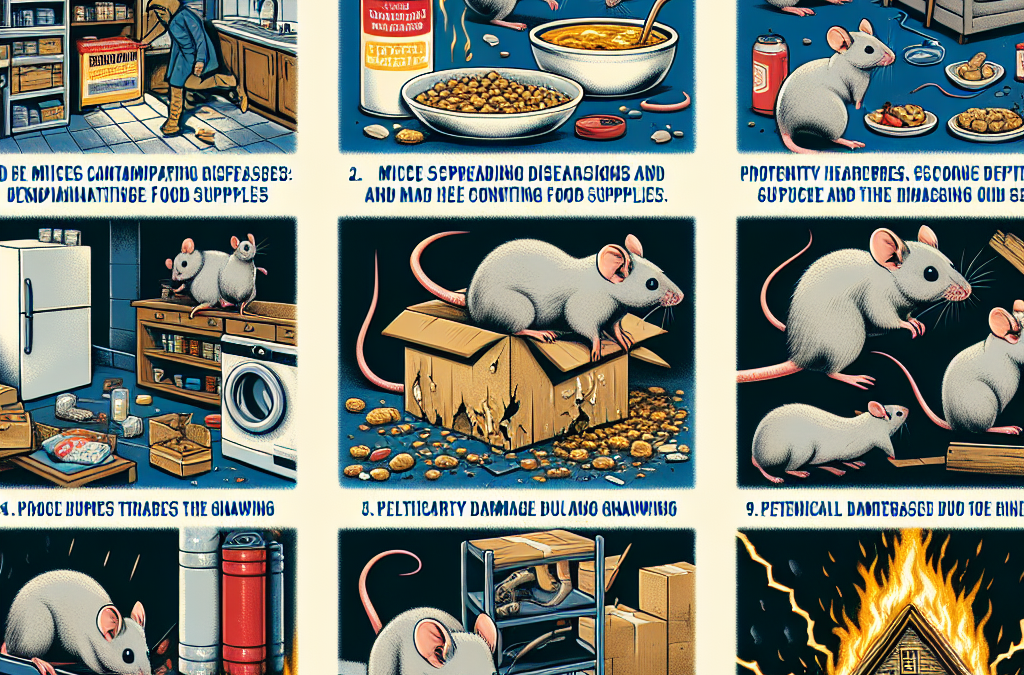
Discover the hidden dangers that come with mice infestations in this informative article. Did you know that mice can survive without water, get pregnant soon after giving birth, and carry over 35 diseases? These tiny creatures may seem harmless, but they can cause serious problems if left unchecked. Learn about the best solutions and prevention methods to keep your home free from mice and the diseases they carry. With expert advice and effective pest control measures, you can ensure the safety and well-being of your family.
The Dangers of Mice Infestations
Mice infestations can pose a number of dangers that should not be taken lightly. From health risks to structural damage and contamination of food and surfaces, it is important to address and prevent these infestations in a timely manner. In this article, we will delve into each of these dangers and provide you with valuable information on how to identify and deal with a mice infestation effectively.
Health Risks
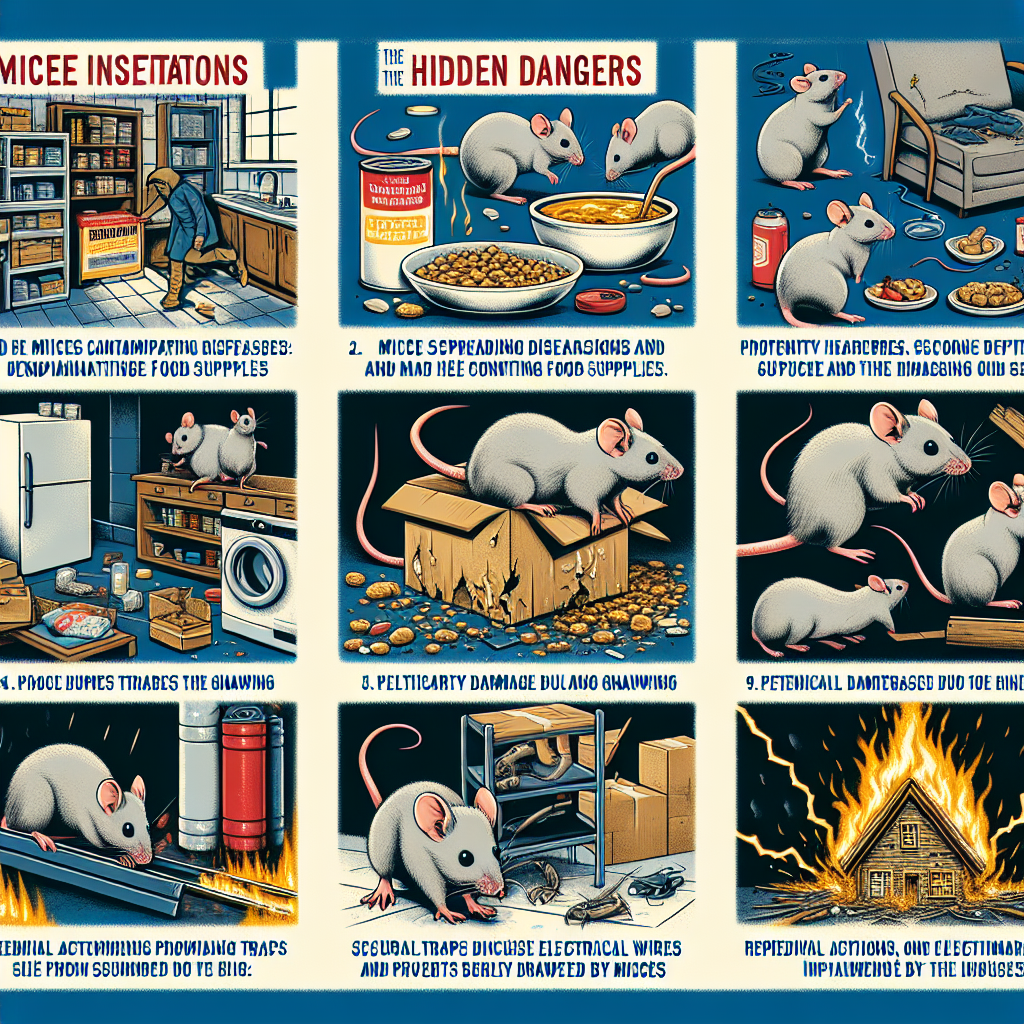
One of the most significant dangers of mice infestations is the potential health risks they pose. Mice are known carriers of various diseases, which can be transmitted to humans. These diseases include salmonella, meningitis, ringworm, and tapeworms. Additionally, mice are incontinent and urinate everywhere they go, leading to the contamination of surfaces and the transmission of diseases wherever they have been.
Structural Damage
Another consequence of mice infestations is the structural damage they can cause to your property. Mice are notorious for their constant gnawing and chewing habits, which can result in significant damage to wiring, insulation, and pipes. In addition, mice tend to create nests in attics and walls, leading to further destruction and compromising the integrity of your home or building.
Contamination of Food and Surfaces
Mice have a strong attraction to food sources, and when they infest your property, they can contaminate your food and surfaces. This poses a serious risk of foodborne illnesses, as mice can leave behind droppings and urine that contain harmful bacteria. Consuming contaminated food can lead to symptoms such as nausea, vomiting, diarrhea, and even more severe health complications. Furthermore, the presence of mice can result in spoiled food and a loss of inventory, leading to financial losses for homeowners and businesses. Additionally, mice may damage kitchen utensils and equipment, further increasing the financial burden.
Signs of a Mice Infestation
Identifying the signs of a mice infestation is crucial for taking prompt action to eliminate the problem. Here are some common indicators that you may have a mice infestation:
Droppings and Urine Odor
One of the most obvious signs of a mice infestation is the presence of their droppings. Mice droppings are small and cylindrical, resembling grains of rice. Additionally, you may notice a strong ammonia-like odor, which is a result of the mice’s urine.
Gnaw Marks and Scratches
Mice have a constant need to gnaw on objects to keep their teeth from overgrowing. As a result, you may find gnaw marks on furniture, walls, wires, and other materials. Additionally, scratches on surfaces can indicate the presence of mice.
Nests and Shredded Materials
Mice build nests using various materials they find around your property. These nests are typically made from shredded paper, fabric, insulation, and other soft materials. If you come across any nests or shredded materials, it is a strong indication of a mice infestation.
Squeaking and Pitter-Patter Sounds
Mice are nocturnal creatures, and you may hear them during the night. Listen for squeaking sounds or the pitter-patter of tiny feet, especially in areas like attics, walls, and crawl spaces.

Causes of Mice Infestations
Understanding the causes of mice infestations can help you prevent them from occurring in the first place. Here are some common reasons why mice are attracted to your property:
Poor Sanitation and Food Storage
Mice are attracted to spaces with poor sanitation and improper food storage. Leaving food out in the open, not tightly sealing trash bags, and failing to regularly clean your living or working areas can create an ideal environment for mice infestations.
Cracks and Holes in Buildings
Mice can easily squeeze through small cracks and holes in buildings. Inspect your property for any entry points, and seal them off to prevent mice from entering.
Access to Water Sources
Like all living creatures, mice need access to water. Leaking pipes, standing water, and other sources of moisture can attract them to your property. Fix any water leaks and eliminate standing water to decrease the chances of a mice infestation.
Attraction to Waste and Garbage
Mice are scavengers and are drawn to places with ample food sources. If you have waste or garbage stored improperly, it can attract mice to your property. Properly disposing of waste and keeping garbage bins tightly closed can help deter mice from infesting your surroundings.
Preventing Mice Infestations
Prevention is key when it comes to mice infestations. By implementing the following preventive measures, you can greatly reduce the likelihood of a mice infestation:
Maintaining Cleanliness and Hygiene
Regular cleaning and proper sanitation practices are essential for keeping mice away. Clean up food spills promptly, sweep and vacuum regularly, and ensure that your living or working areas are free from clutter. Store food in airtight containers and keep trash tightly sealed.
Sealing Entry Points
Inspect your property for any cracks, holes, or gaps that mice could use to enter. Seal off these entry points with caulk or other appropriate materials. Pay close attention to areas around windows, doors, pipes, and vents.
Properly Storing Food and Trash
Store food items in airtight containers to prevent mice from accessing them. Additionally, make sure that trash bins are sealed tightly and kept in areas that are difficult for mice to reach.
Regular Inspections and Maintenance
Regularly inspect your property for any signs of mice activity and take prompt action if needed. Proactively maintain your property by fixing any plumbing leaks, sealing cracks, and ensuring that your property remains clean and dry.

Removing Mice Infestations
If you discover a mice infestation on your property, it is crucial to take appropriate measures to remove them effectively. Here are some methods that can be employed:
Hiring Professional Pest Control
Engaging the services of a reputable pest control company is often the most effective way to deal with a mice infestation. Pest control professionals have the expertise and knowledge to safely and efficiently remove mice from your property using appropriate methods and products.
Traps and Baits
Traps and baits can be used to capture and eliminate mice. Snap traps, glue traps, and live traps are common options. However, it is important to carefully handle and dispose of captured mice to prevent further contamination or harm.
Poison and Rodenticides
Poison and rodenticides can also be used to eliminate mice infestations. However, the use of these products should be done with caution and in accordance with local regulations. It is important to keep them out of reach of children and pets.
Safe and Effective Mouse Control Methods
While there are various methods available to control mice infestations, it is necessary to prioritize safety and choose methods that are effective in eliminating the problem. Here are some safe and effective mouse control methods:
Humane Trapping and Release
For those who prefer a more humane approach, live traps can be used to capture mice without harming them. Once captured, mice can be released into suitable outdoor areas where they are less likely to cause harm.
Integrated Pest Management (IPM) Techniques
IPM techniques involve a comprehensive approach to pest control, focusing on prevention, monitoring, and targeted treatments. This approach aims to minimize the use of chemicals and prioritize environmentally friendly solutions.
Natural and Organic Solutions
There are natural and organic solutions available on the market that can be used to control mice infestations. Essential oils, such as peppermint or eucalyptus oil, can act as repellents and deter mice from entering your property.
Dealing with the Aftermath
After successfully removing a mice infestation, it is important to address the aftermath to ensure a clean and safe environment. Here are some important steps to take:
Sanitizing and Disinfecting
Thoroughly clean and disinfect any areas that were affected by the mice infestation. Remove droppings, urine stains, and any nesting materials. Use appropriate cleaning solutions to eliminate bacteria and prevent the spread of diseases.
Repairing Structural Damage
Assess and repair any structural damage caused by the mice infestation. This may involve repairing chewed wiring, insulation, and pipes. Ensure that any entry points are properly sealed to prevent future infestations.
Implementing Preventive Measures
To prevent future mice infestations, continue practicing good sanitation and hygiene habits. Regularly inspect your property for any signs of mice activity and take preventive measures, such as sealing cracks and storing food properly.
In conclusion, mice infestations can pose significant dangers, including health risks, structural damage, and contamination of food and surfaces. By understanding the signs of infestations, identifying potential causes, and implementing preventive measures, you can successfully prevent and address mice infestations. If faced with an infestation, consider hiring professional pest control, using traps and baits, or employing safe and effective mouse control methods. Finally, make sure to properly sanitize, repair any damage, and implement preventive measures to maintain a pest-free environment.
Recent Comments