
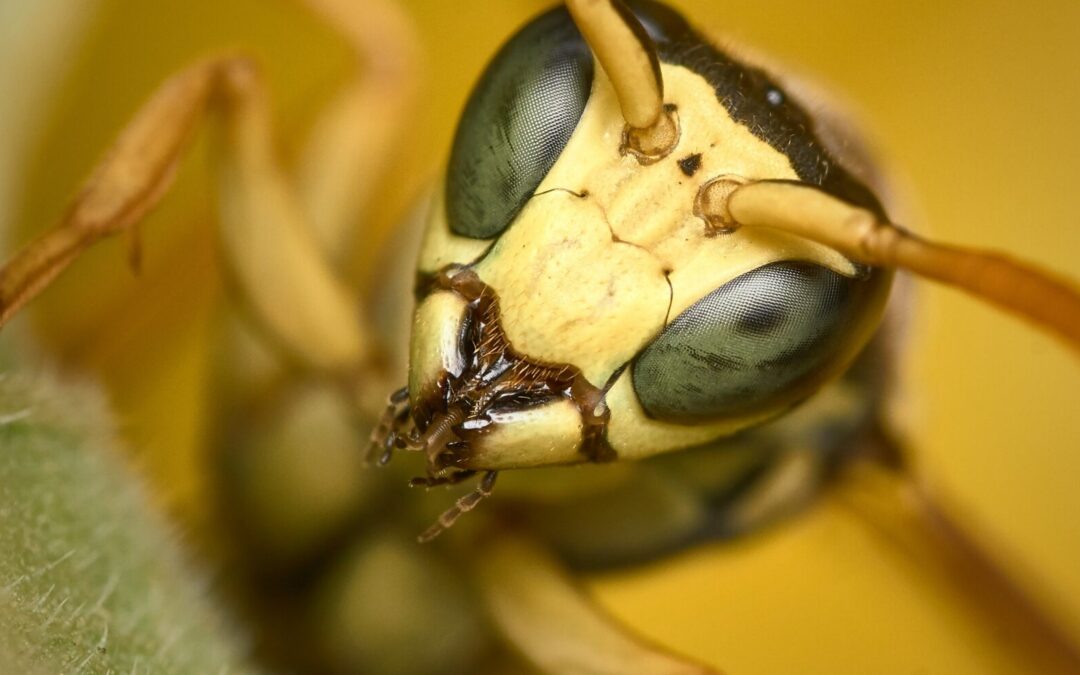
Are you tired of the constant presence of pesky wasps in your surroundings? Look no further! Our article, “Effective Wasp Control Solutions,” will provide you with the information you need to combat these bothersome insects. Whether you reside in Rotherham, Sheffield or the surrounding areas, our professional wasp control services at Peskys Pest Control are here to help. With our expertise, you can say goodbye to those buzzing nuisances and enjoy a wasp-free environment. So, let us guide you through the various solutions available, and regain control over your surroundings.
Effective Wasp Control Solutions
Are you tired of dealing with pesky wasps buzzing around your home or garden? If so, you’re not alone. Wasps can be a nuisance and, in some cases, even pose a danger to you and your family. The good news is that there are effective wasp control solutions available to help you regain control of your space and enjoy a wasp-free environment. In this article, we will explore various methods of wasp control, from prevention to professional services, to help you tackle this issue head-on.
Understanding Wasps and the Need for Control
Before we delve into the solutions, it’s essential to understand the nature of wasps and why controlling their presence is important. Wasps belong to the Hymenoptera order and are closely related to bees and ants. They play a vital role in the ecosystem by pollinating plants and controlling population levels of other insects. However, their stings can be painful and, in some cases, trigger severe allergic reactions. Therefore, it’s crucial to implement effective measures to keep wasp colonies away from areas where they can pose a threat.
Identifying Wasp Nests
One of the key steps in effective wasp control is identifying the location of their nests. Wasps typically construct their nests from chewed wood fibers and saliva, which can be found in various places such as eaves, attics, sheds, trees, and even underground. Look for wasp activity, including frequent buzzing, and be on the lookout for paper-like structures, often gray or brown in color, which may indicate the presence of a nest. Identifying and locating nests will help you determine the most appropriate control method to use.
Prevention and Early Intervention
Prevention is always better than cure, and the same applies to wasp control. Taking proactive measures can help you avoid the headache of dealing with an established wasp colony. Start by sealing any potential entry points, such as gaps in windows or doors, holes in screens, or cracks in walls. Ensure that trash cans and food sources are properly secured, as sweet food and beverage remnants can attract wasps. Early intervention is also key. If you notice just a few wasps around your property, take immediate action to prevent a full-blown infestation.
Natural Wasp Control Methods
If you prefer a more eco-friendly approach, natural wasp control methods can be effective in managing wasp populations. One method is to create homemade wasp repellents using common household ingredients such as vinegar, peppermint oil, or citrus peels. These smells are known to deter wasps from nesting or foraging in the area. You can also try planting certain herbs and flowers, like mint, thyme, or marigolds, as natural deterrents. Additionally, hanging fake wasp nests can discourage real wasps from establishing their territory.
Chemical Wasp Control Methods
In situations where natural methods may not suffice, chemical wasp control methods can provide a more robust solution. Wasp control products, such as insecticides or aerosol sprays, can effectively eliminate existing wasp colonies. It is important to carefully read and follow the instructions on the product label to ensure safe and effective use. Be mindful of using chemical methods in areas where children, pets, or beneficial insects frequent, and consider seeking professional advice if you are unsure about using these products correctly.
Using Traps for Wasp Control
Traps can be a useful tool in controlling wasp populations, particularly when dealing with individual wasps or smaller nests. There are various types of traps available, including both homemade and commercially manufactured options. These traps typically work by attracting wasps with a lure, such as sugary substances or specialized wasp attractants, and then capturing them inside. It’s important to place traps away from areas where people may encounter them to prevent accidental stings.
Professional Wasp Control Services
Sometimes, tackling a wasp infestation requires the expertise of professional wasp control services. These professionals have the knowledge, experience, and specialized equipment to safely and effectively remove wasp nests and eliminate colonies. If you have a large or persistent wasp problem, or if you are uncomfortable handling wasp nests yourself, it is advisable to seek professional help. They can assess the situation, employ appropriate control methods, and provide advice on preventing future infestations.
Protective Measures and Safety Precautions
When attempting to control wasps on your own, it is crucial to take protective measures and follow safety precautions. Wearing long-sleeved shirts, pants, closed-toe shoes, gloves, and a beekeeper’s veil or hat can help protect you from possible stings. Additionally, it is recommended to conduct wasp control activities during cooler times of the day or when wasp activity is minimal, such as early morning or late evening. Always keep an eye out for signs of aggression and be prepared to retreat if necessary.
Disposing of Wasp Nests
After successfully eliminating a wasp colony, proper disposal of the nest is important to prevent re-infestation. Wait at least 24 hours after treatment to ensure all wasps have been eradicated. Carefully remove the nest using suitable tools and place it in a sealed bag. It is essential to dispose of the nest properly, preferably in a sealed container or by contacting your local waste management authorities for guidance. Never attempt to burn a wasp nest, as this can be dangerous and cause the release of toxic chemicals.
Maintaining Wasp-Free Environments
Consistency is key when it comes to maintaining a wasp-free environment. Regularly inspect your property for potential wasp nests and take prompt action if any signs of wasp activity are detected. Continue implementing preventive measures, such as sealing entry points and securing food sources, to minimize the chances of attracting new wasp colonies. Stay vigilant and address any emerging wasp problems promptly to keep your home and outdoor space enjoyable and safe for everyone.
In conclusion, effective wasp control solutions are available to help you manage and eliminate wasp infestations. Whether you prefer natural methods, chemical control, traps, or professional services, there is a solution to fit your needs. By understanding wasp behavior, identifying nests, taking preventive measures, and following safety precautions, you can effectively control wasps and enjoy a wasp-free environment. With consistent effort and timely intervention, you can keep these buzzing insects at bay and regain peace of mind in your home and garden.
Recent Comments